
Healthcare Robotics Lab
Designing for accessibility
ROLE
REU Researcher
TIMELINE
Jun 2022 - Sep 2022
TEAM
Alyssa Kubota, Ethan Sun, Laurel Riek
Overview
I worked in the Healthcare Robotics Lab under an REU (Research Experience for Undergraduates), contributing to a paper accepted to HRI 2023. The paper explores how robots can support people in identifying and achieving their personal goals throughout a longitudinal health interventional, specifically for People with Mild Cognitive Impairment (PwMCI).
Mild Cognitive Impairment (MCI) - the stage between the cognitive decline of normal aging and dementia.
What did I work on?
With a focus on co-designing and compensatory design, I researched and wrote about potential design considerations for a robot (e.g. robot behaviors, leading goal setting, showing progress) that can effectively support goal progress and motivation throughout an intervention for PwMCI.
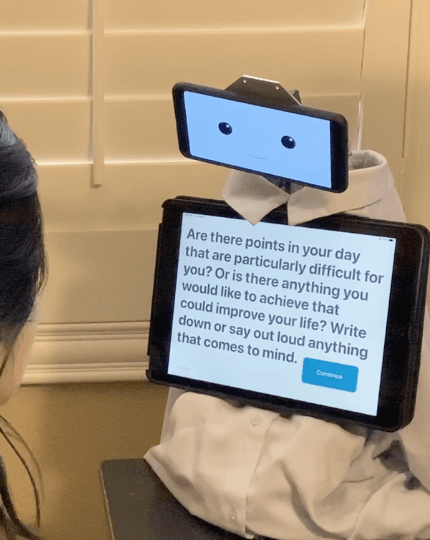
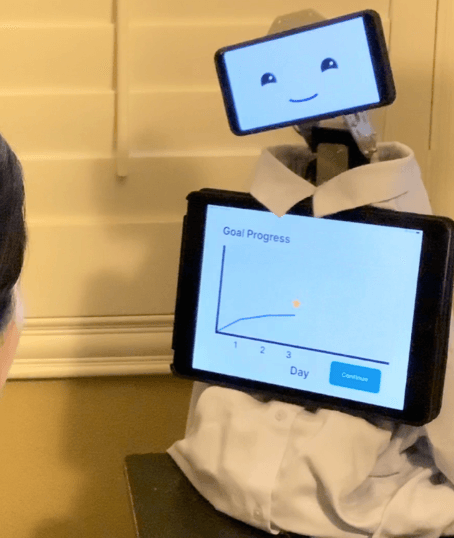
Fig 1. Left: CARMEN helping a user identify their intervention goals. Right: CARMEN showing the user a mock graph of their progress toward their goal.
Emphasis during my time at the lab was placed on answering the question:
How can we design with others, not just for others?
After conducting a few pilot studies, we conducted in-person interviews with 5 PwMCI, who were all from a related clinical intervention where they were involved in ME-CCT-MCI (Motivationally Enhanced Compensatory Cognitive Training for Mild Cognitive Impairment). We were maintaining the interventions these users have already received, and are making the assumption these users are already familiar with the intervention.
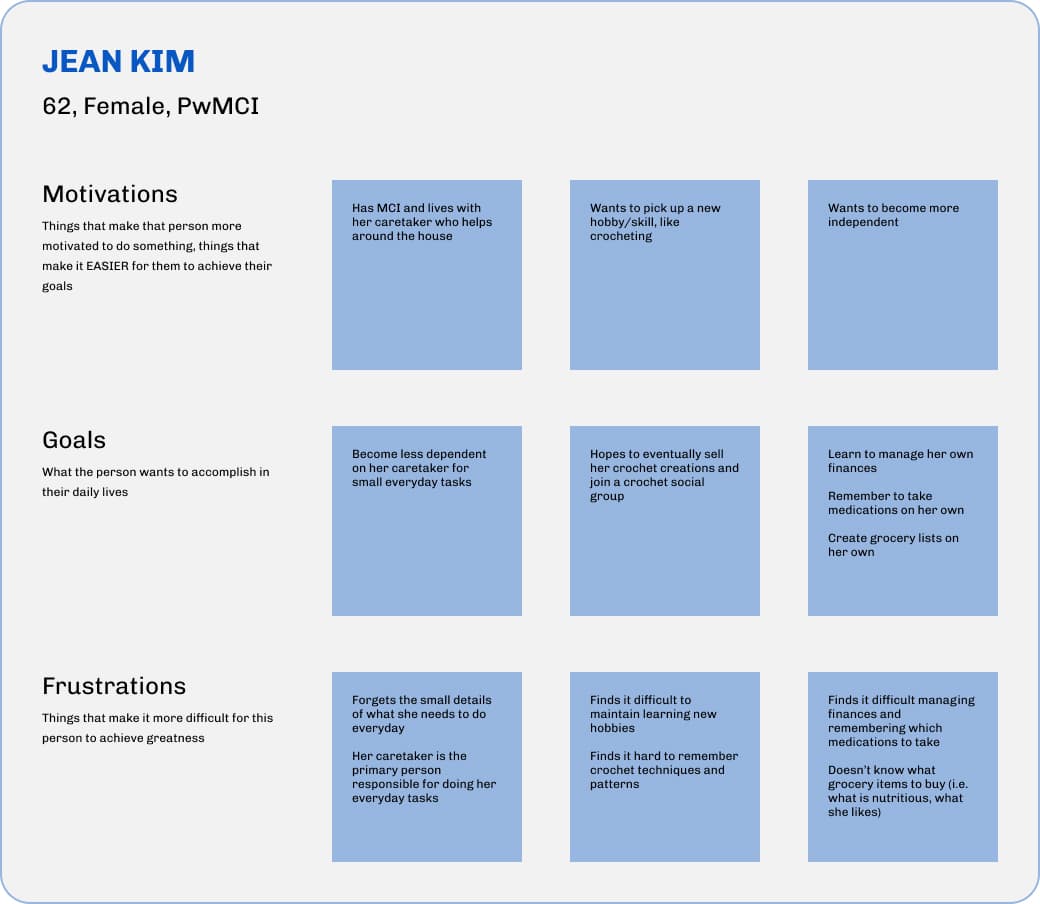
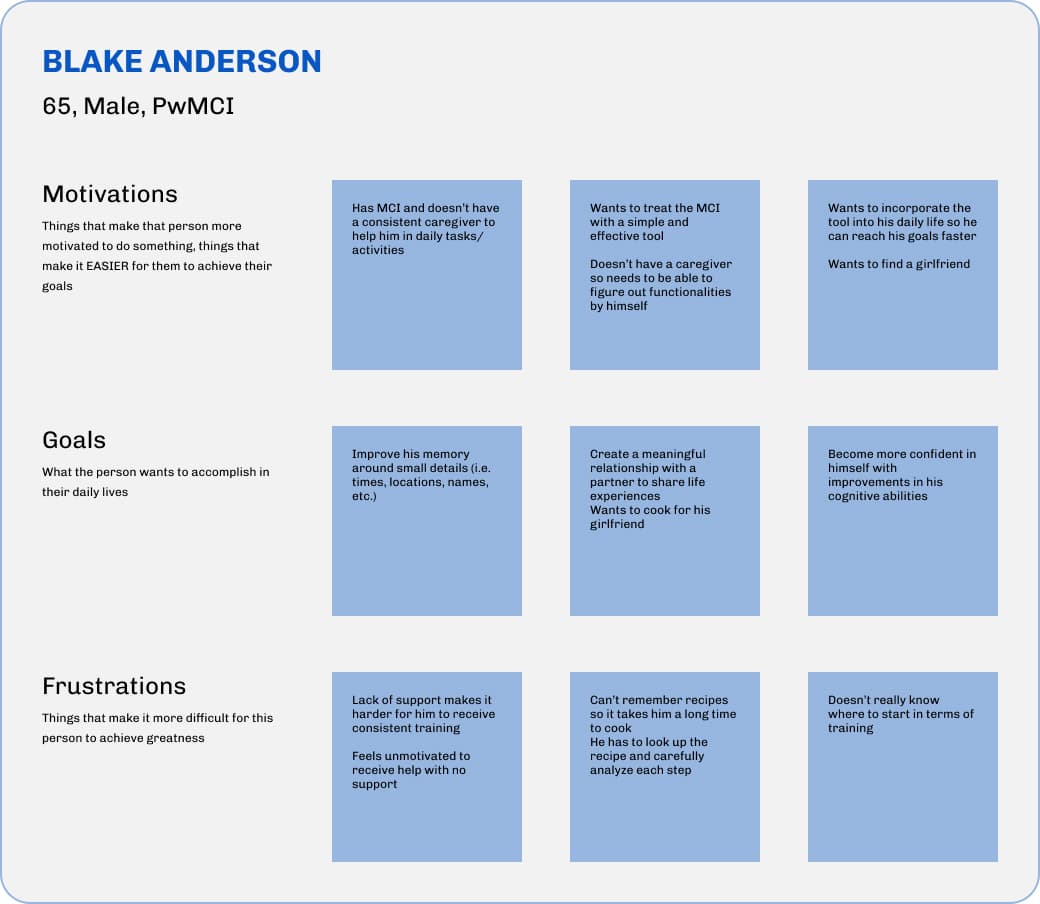
Fig 2. User personas
During these interviews, I led live sketching sessions - these help us quickly summarize and document user needs and expectations. The sketches are reviewed by the interviewee to verify the sketches are representative of their needs. The drawings allow us to identify concrete designs for setting SMART (Specific, Measurable, Achievable, Relevant, and Time-Bound) goals and increasing user motivation to achieve those goals.
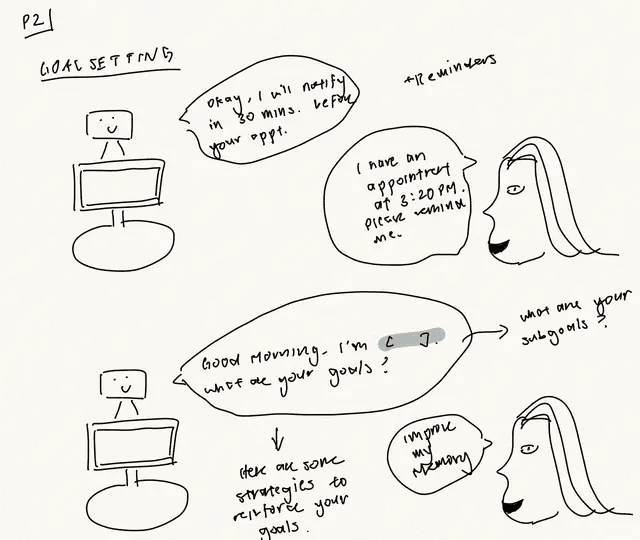
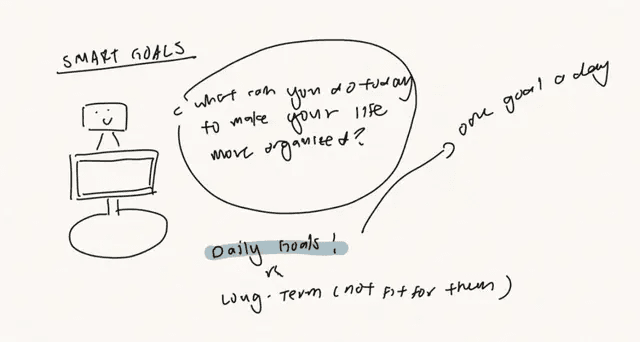
Fig 3. Some examples from my live sketching sessions
These initial interviews allowed us to develop a low-fidelity prototype addressing user needs. We then created a video demonstrating how participants would interact with the prototype, which were shown to 3 of the participants we interviewed prior. Users brought up interactions that stood out to them, what they liked, what they would change, and what would motivate them to work on their goals.
We then did individual rounds of Grounded Theory-Based Analysis (i.e. affinity diagramming), eventually performing a group analysis to narrow down the main themes and sub-themes we found from our interviews, highlighted in our paper.
Takeaways
+ Focus on designing with users, not just for users.
+ Continue to advocate for accessibility and inclusive design! Accessibility and inclusive design should NOT be left as an afterthought and should already be integrated into the workflow.